For a premium pet brand, supplier research had reached the point where catalogues, quotations and video calls were no longer enough. We spent two full days visiting four companies in Dongguan and Guangzhou across three workstreams: packaging, dog harnesses, toys and clothing, and a pet cosmetic cream.
Why the project moved from remote research to factory visits
Remote checks are useful for confirming company details, comparing quotations and narrowing a supplier list. They cannot fully answer questions about how materials feel, whether colours match in person, how a production floor is organized or whether a supplier's actual capabilities align with its sales presentation.
The purpose of these visits was not to perform a formal quality-system audit. It was to support concrete sourcing decisions before samples and production moved further: review physical materials, clarify specifications, protect confidential product information and see the relevant facilities first-hand.
Packaging: paper quality, colour and production capability
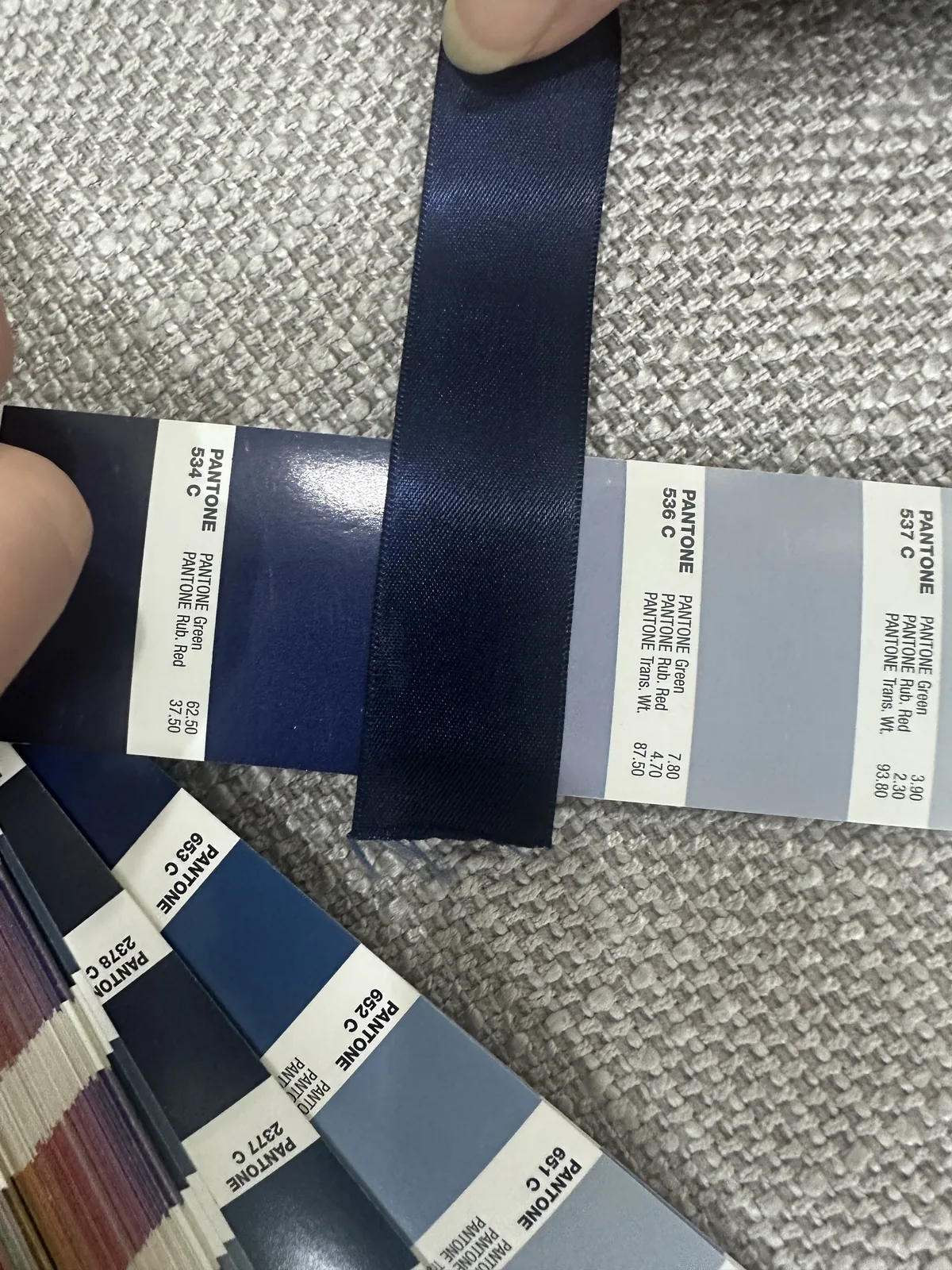
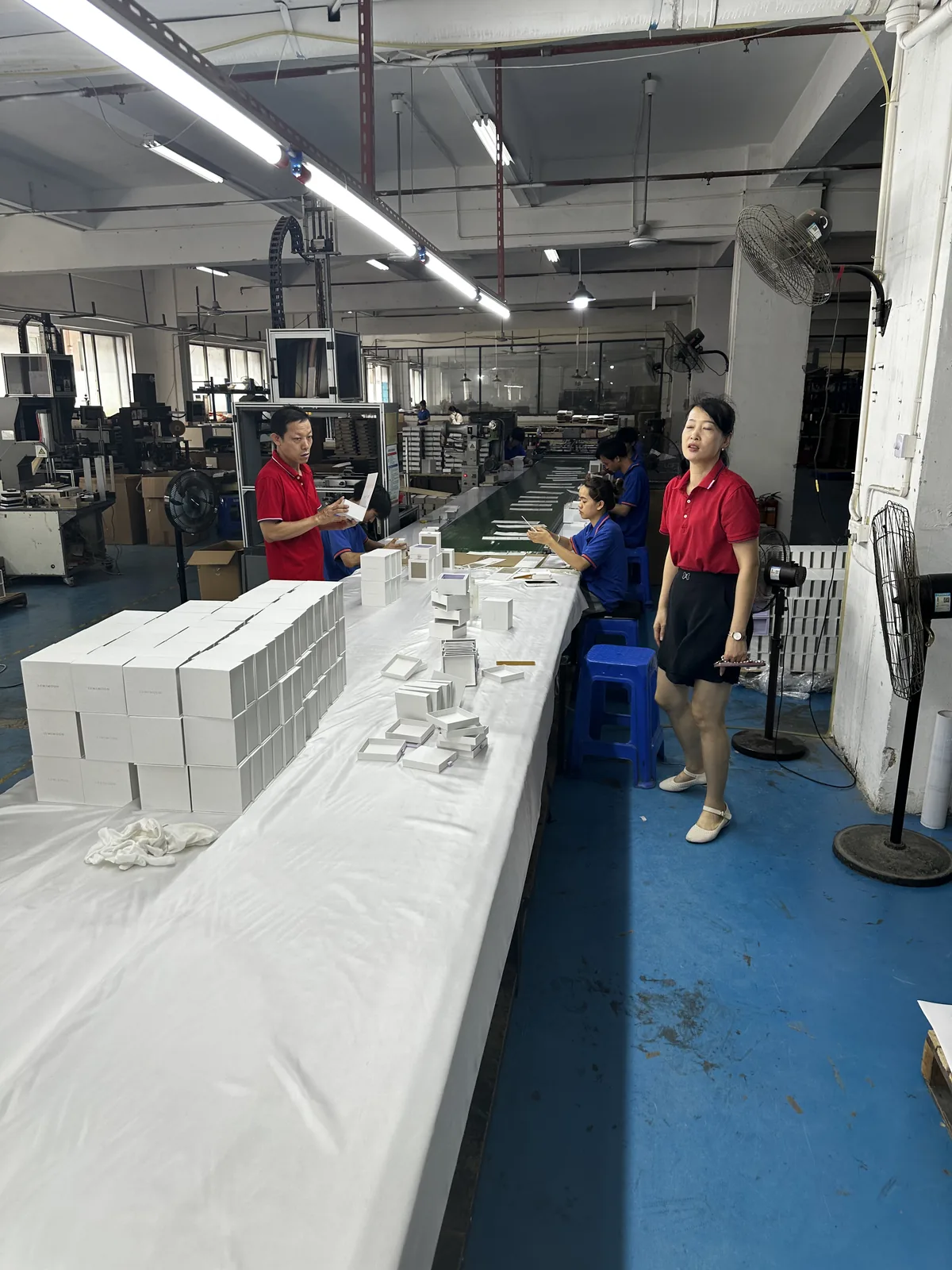
At the packaging company, the discussion went beyond box dimensions and unit price. We reviewed paper and board options, surface feel, colour references, print and finishing possibilities, and how the proposed structure would be produced.
Seeing the workshop made it possible to connect samples with the actual equipment and workflow. The visit also helped identify which decisions still needed confirmation before a production-ready packaging brief could be finalized.
Harnesses, toys and clothing: checking what a catalogue cannot show
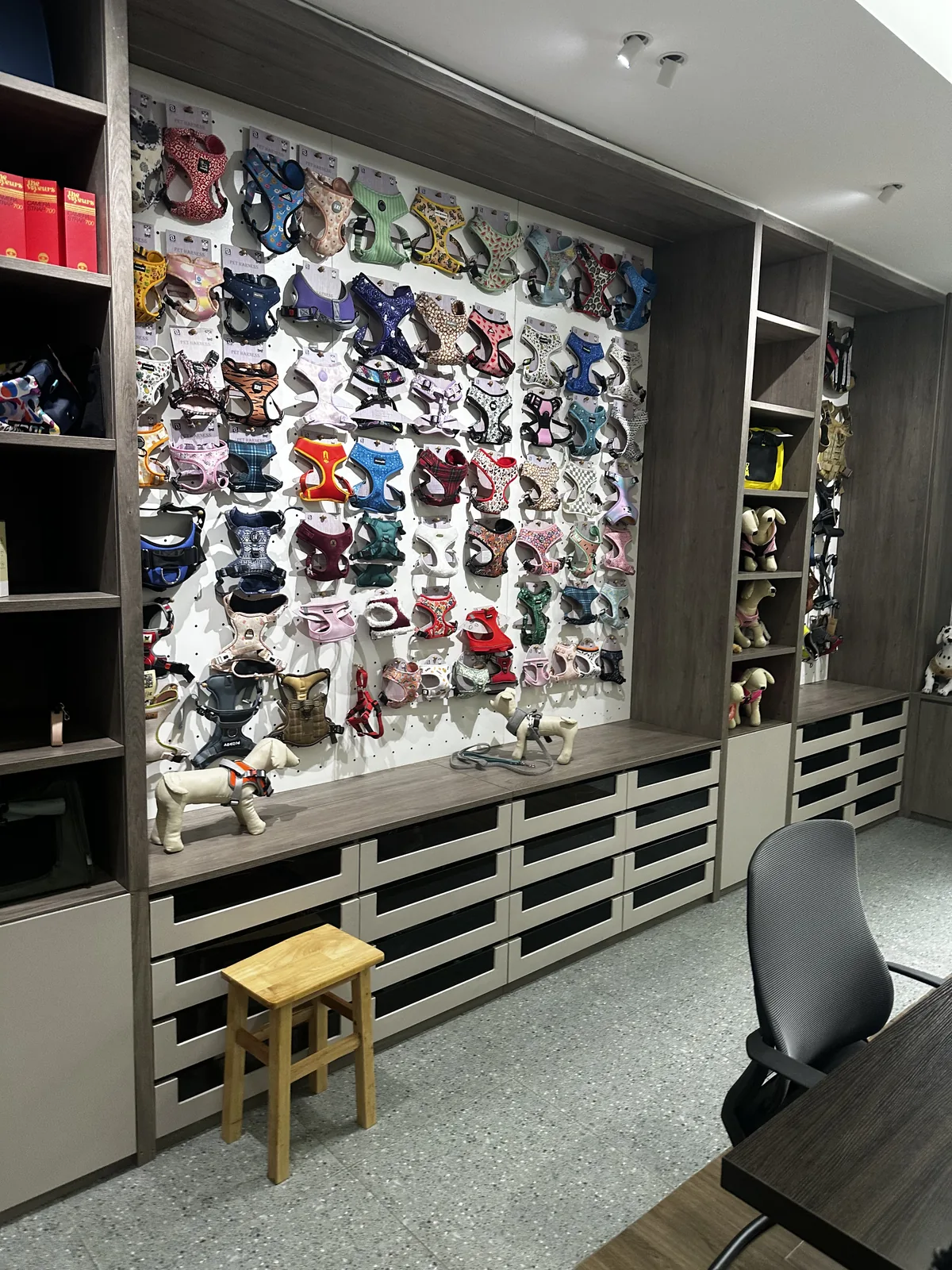
For textile pet products, the work focused on fabrics, webbing, colours, construction and the supplier's ability to support customization. Physical review matters because two materials that look similar online can differ significantly in hand feel, thickness, structure and finish.
We also discussed confidentiality and signed NNN terms covering non-use, non-disclosure and non-circumvention before sharing sensitive project details. This created a clearer framework for discussing custom ideas with the suppliers while the project remained in development.
Pet cosmetic cream: looking beyond the finished sample
A finished jar can look convincing while revealing little about formulation work or production conditions. At the pet cosmetic manufacturer, we reviewed the production areas and discussed the information and documentation needed to evaluate a paw-care cream for its destination market.
The visit did not replace laboratory testing, regulatory review or formal certification. It provided first-hand evidence about the company's facilities and a stronger basis for follow-up questions concerning ingredients, formula ownership, production scale, packaging compatibility and supporting documents.
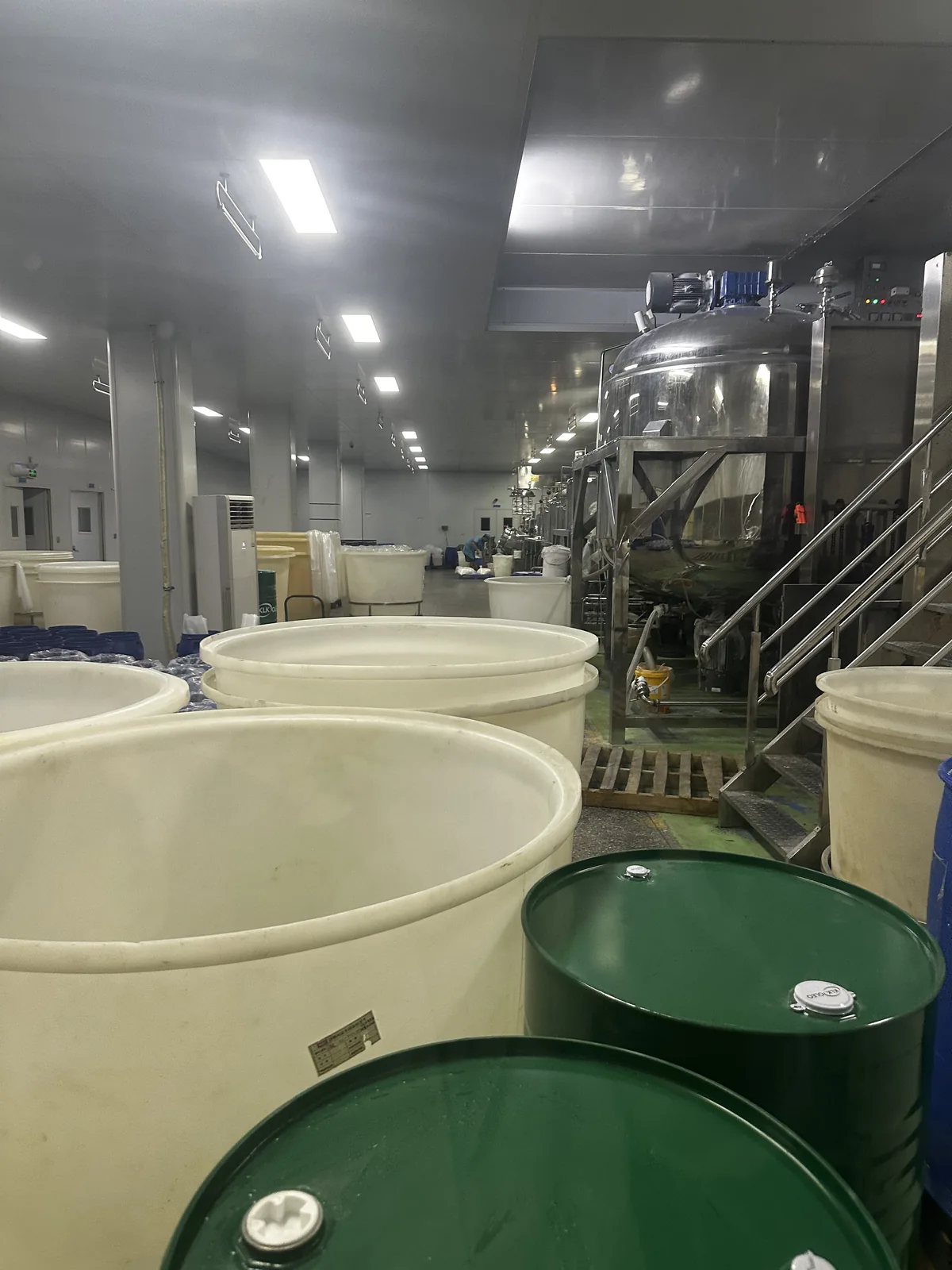
It improves the quality of a sourcing decision by confirming what can be observed on a specific day. Samples, written specifications, document checks, testing and production inspections are still needed at the appropriate stages.
What the two days produced
The visits converted broad supplier conversations into a clearer list of decisions and follow-up actions:
- Physical colour, fabric, webbing and material references were reviewed.
- Packaging paper quality, structure, printing and finishing options were discussed on site.
- NNN agreements were signed before confidential product details were developed further.
- Relevant production areas, equipment and current product ranges were observed.
- Open questions on samples, documentation and technical requirements were recorded for follow-up.
- The client gained direct evidence to compare suppliers and decide which relationships deserved the next investment.
The practical lesson
The value of being on the ground is not simply taking photographs of a factory. It is arriving with the right questions, translating the client's priorities into checks that can be performed in person, challenging vague answers and leaving with documented next steps.
For a project involving several product categories, this is especially important. A packaging company, a textile pet-product manufacturer and a cosmetic producer require different evidence and different follow-up. Treating them all as a generic “pet supplier” would hide the risks that matter most.
Need someone on the ground for your suppliers in China?
Share your products, candidate suppliers and the decisions you need to make. I can help define and carry out a focused visit covering materials, capabilities, samples, documents and production questions.