
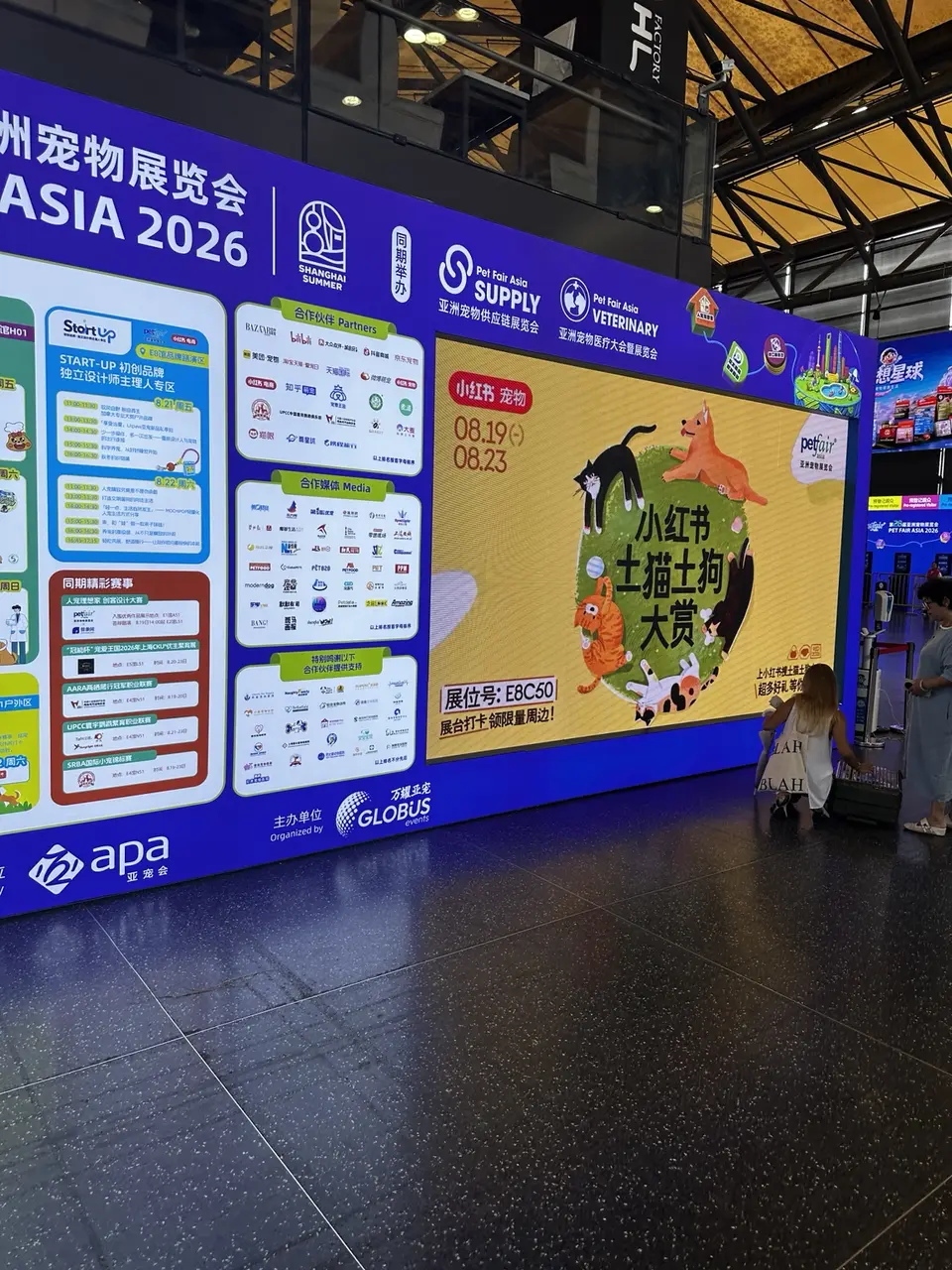
The client is developing a French pet brand and needed support across several very different products: customized rainwear, a paw-care balm, simple toys, harnesses and a possible future range of bowls with wooden bases. The assignment is ongoing, so this article focuses on the sourcing process and decisions rather than presenting unfinished work as a completed success story.
One project does not necessarily mean one supplier
A common misconception in product sourcing is that one strong manufacturer can handle an entire category. “Pet products” sounds like a single market, but the production processes behind a raincoat, a cosmetic balm, a rubber toy and a ceramic bowl are fundamentally different.
The first step was therefore to separate the brief into distinct supplier tracks. Each track requires different questions, evidence and evaluation criteria:
- Rainwear: fabric performance, pattern construction, sizing, seams, branding and the client’s specific collar design.
- Paw-care balm: formulation, laboratory capabilities, ingredient documentation, packaging compatibility and destination-market compliance.
- Toys: material, construction, durability, safety documentation, target price and the level of customization justified by the initial quantity.
- Harnesses: fit, hardware, webbing, stitching, size grading and comparison with suppliers already identified by the client.
- Bowls: ceramic or other food-contact materials, finish consistency, branding and the interface between the bowl and wooden base.
This separation prevents a polished catalogue from being mistaken for genuine manufacturing capability. It also allows the client to commission only the work needed for each product rather than paying for one oversized, generic sourcing package.
Turning preferences into a usable supplier brief
Reference images are useful, but suppliers cannot quote accurately from appearance alone. A sourcing brief needs to translate the client’s preferences into questions that can be answered and compared.
For the raincoat, that means clarifying construction details, measurements, fabric expectations, branding position, packaging and the feature that makes the collar different from standard catalogue products. For the balm, the priority shifts away from appearance and toward formulation ownership, documentation, testing responsibilities, minimum production quantities and whether a small first run is commercially realistic.
The same principle applies to price. A low target price without a clear specification can produce quotations that look comparable but cover different materials, packaging or testing assumptions. The objective is not simply to collect the lowest figures; it is to understand what each quotation actually includes.
What trade-fair research adds
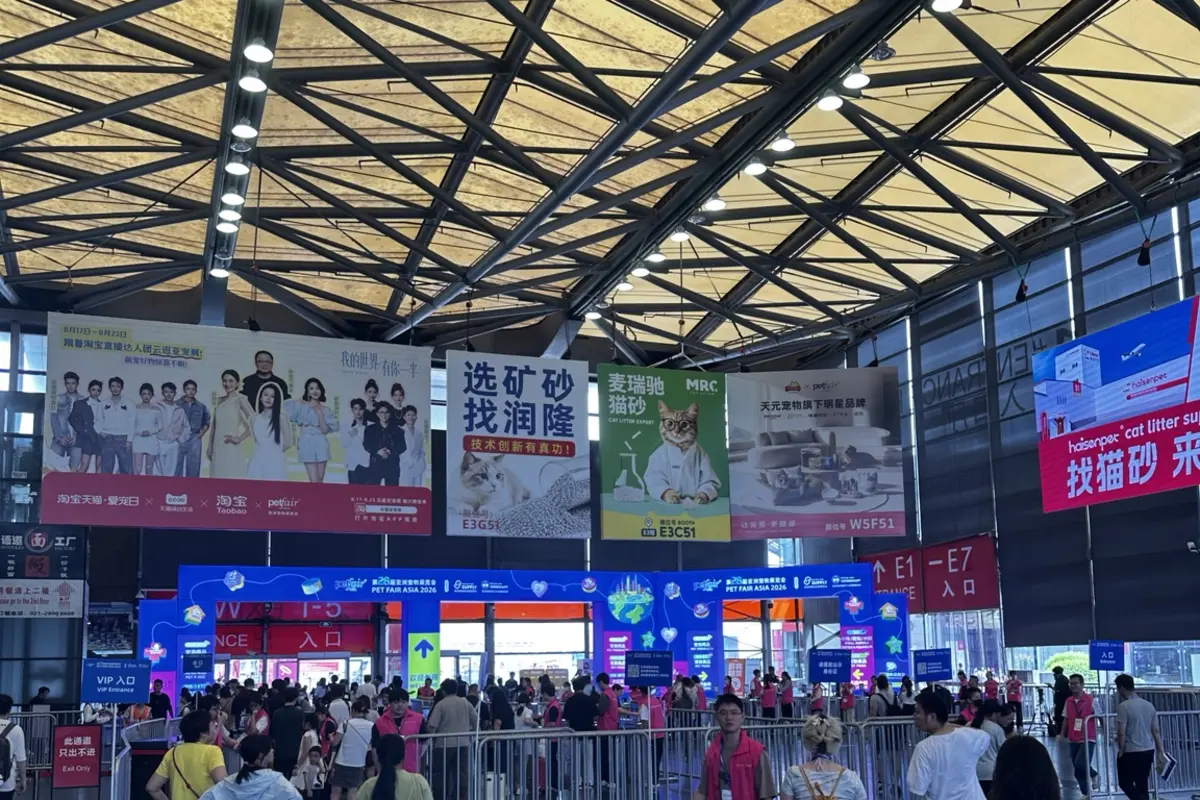
Pet Fair Asia in Shanghai offered the opportunity to observe a broad cross-section of the market in one place. Compared with browsing marketplace listings, a trade fair makes it easier to assess how companies present their ranges, which products appear repeatedly, where genuine differentiation exists and what questions suppliers can answer in person.
It is particularly useful for:
- Comparing construction, finishes and packaging side by side.
- Identifying product ideas or features that do not appear clearly in online catalogues.
- Understanding which companies focus on manufacturing and which primarily present a broad trading assortment.
- Collecting targeted contacts for follow-up after the event.
- Testing whether a supplier understands customization beyond adding a logo.
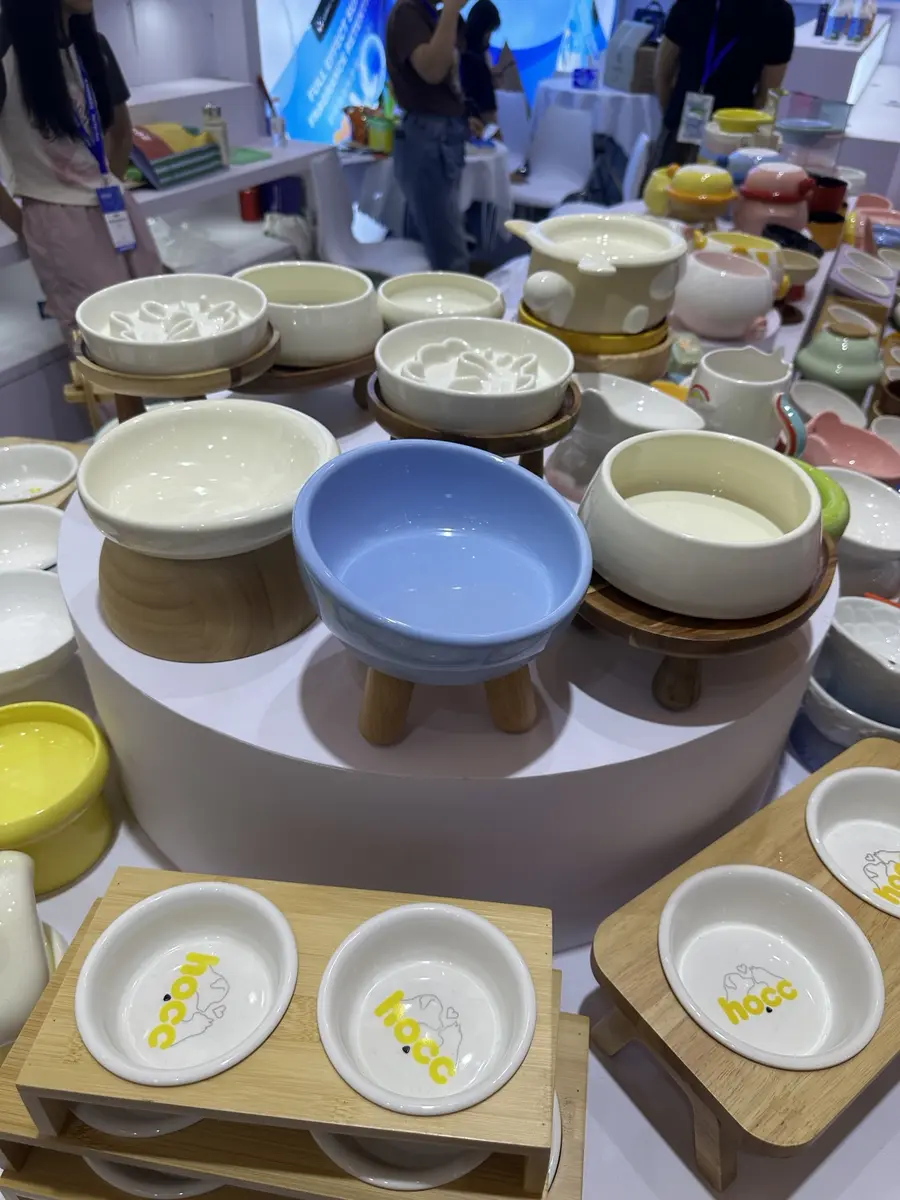
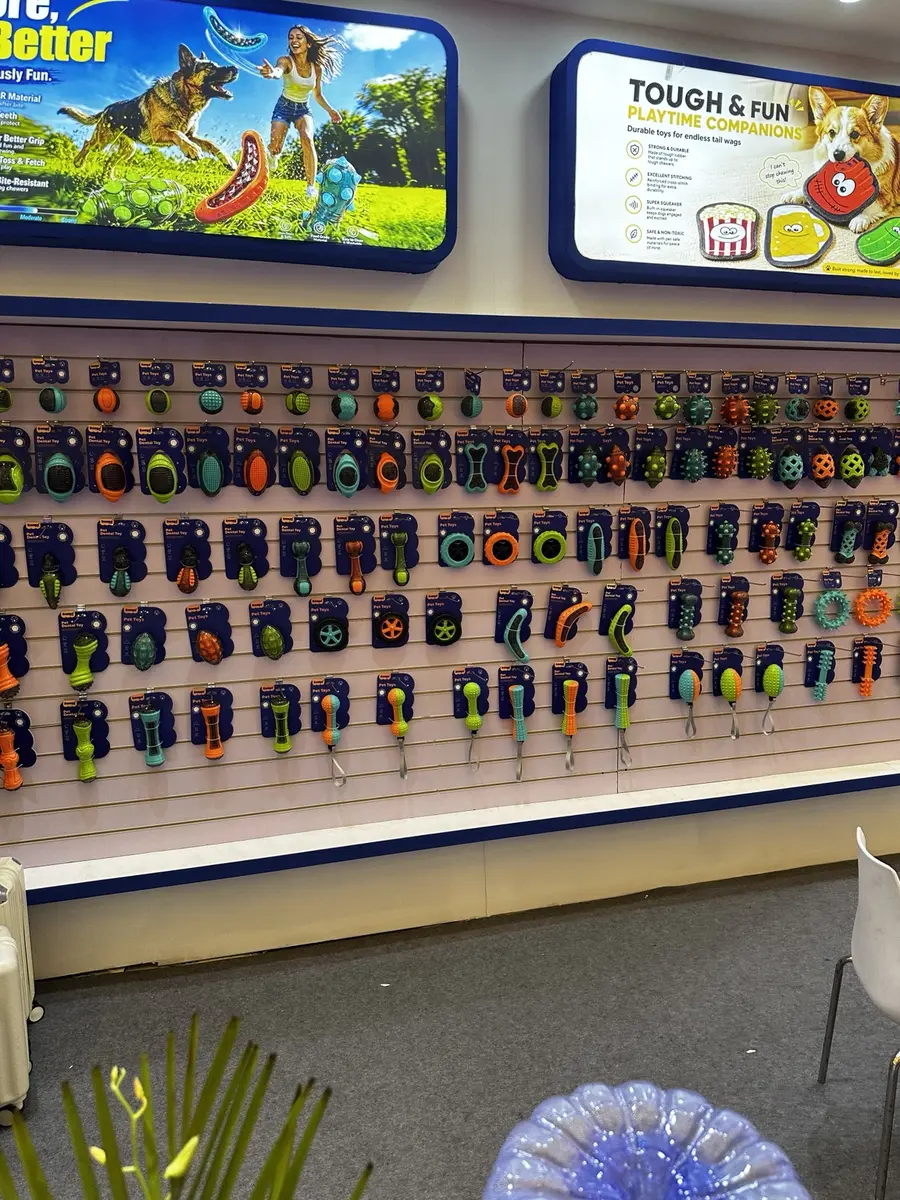
Exhibiting at a major event is a positive signal, but it does not by itself establish who owns the factory, which processes are performed internally, whether documents are current or whether the company is suitable for a specific order.
Research, verification and inspection are different stages
Supplier research identifies candidates. Verification examines the business entity, relevant documents, stated capabilities and commercial terms. Sampling tests whether the supplier can translate the brief into an acceptable product. A factory visit or pre-shipment inspection provides physical evidence when the project justifies it.
Keeping these stages separate matters for both transparency and cost. A remote shortlist should not be described as a factory audit, and a brief visit should not be treated as a guarantee of future production quality. The scope and evidence need to be clear at each stage.
The next steps in this project
The immediate work is to continue narrowing the relevant supplier pool, compare quotations and capabilities, and determine which candidates justify samples or deeper verification. The sequence will vary by product:
- Confirm the raincoat specification before requesting directly comparable quotations.
- Prioritize laboratory and documentation questions for the paw-care product before discussing production price in isolation.
- Evaluate simple toy options against the client’s price and quality expectations.
- Review the harness suppliers already under consideration and add alternatives only if they offer a meaningful advantage.
- Keep bowls as a later development track so they do not distract from the immediate launch priorities.
The practical goal is a manageable decision process: fewer but more relevant candidates, clear comparisons and verification proportionate to the value and risk of each order.
Developing a pet product in China?
Share your reference images, target quantity, destination market and the decisions you need to make. I can help define the right supplier-research, verification or on-site scope.