
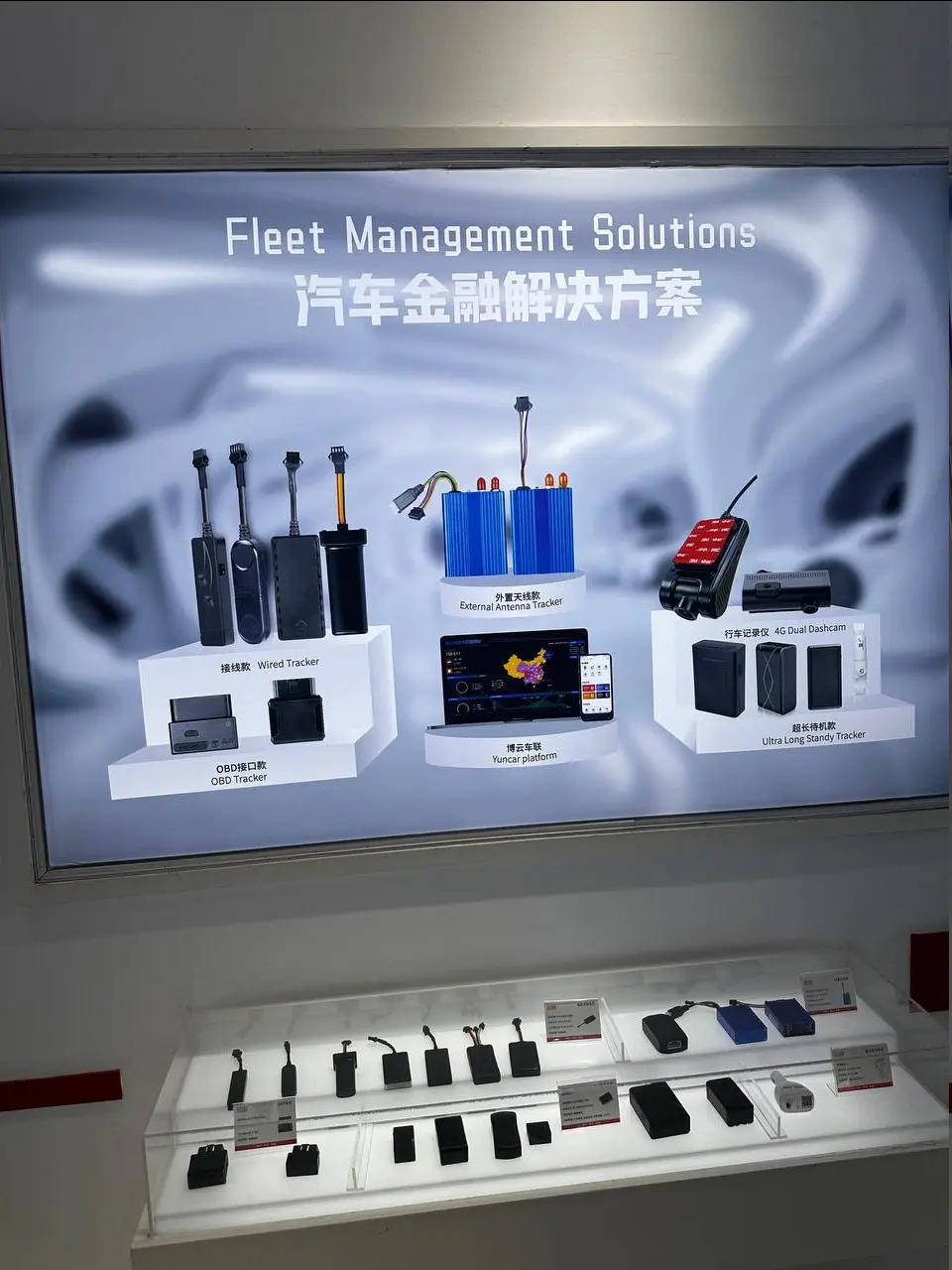
The client is a Chinese vehicle-telematics and IoT hardware company seeking commercial opportunities overseas.
The challenge was not a lack of technical information
Many established Chinese technology manufacturers already have extensive product catalogues, engineering knowledge and export experience. Their difficulty is often presenting those strengths in a way that helps an overseas decision-maker quickly understand why a conversation is worthwhile.
In this case, the existing company presentation contained a large amount of product and platform detail, but the commercial message was not sufficiently focused. Some English wording needed improvement, several pages tried to communicate too much at once, and catalogue links or QR codes asked the reader to do additional work before the business case had been established.
The first objective was therefore not to add more information. It was to decide what mattered most to a potential telematics partner, distributor, integrator or fleet-technology company—and then make that value easier to see.
Overseas buyers need a commercial reason to engage
A product specification can confirm what a device does, but it rarely answers the first questions behind an international business discussion:
- Where does this supplier fit within our existing product or service portfolio?
- Which use cases and customer problems can its technology support?
- Can the hardware, software and connectivity requirements be adapted to the destination market?
- What level of integration, documentation and after-sales coordination is available?
- Why should we prioritize this company over other manufacturers approaching us?
The revised approach begins with the potential partner’s business model and priorities. Technical detail remains essential, but it supports the commercial argument instead of replacing it.
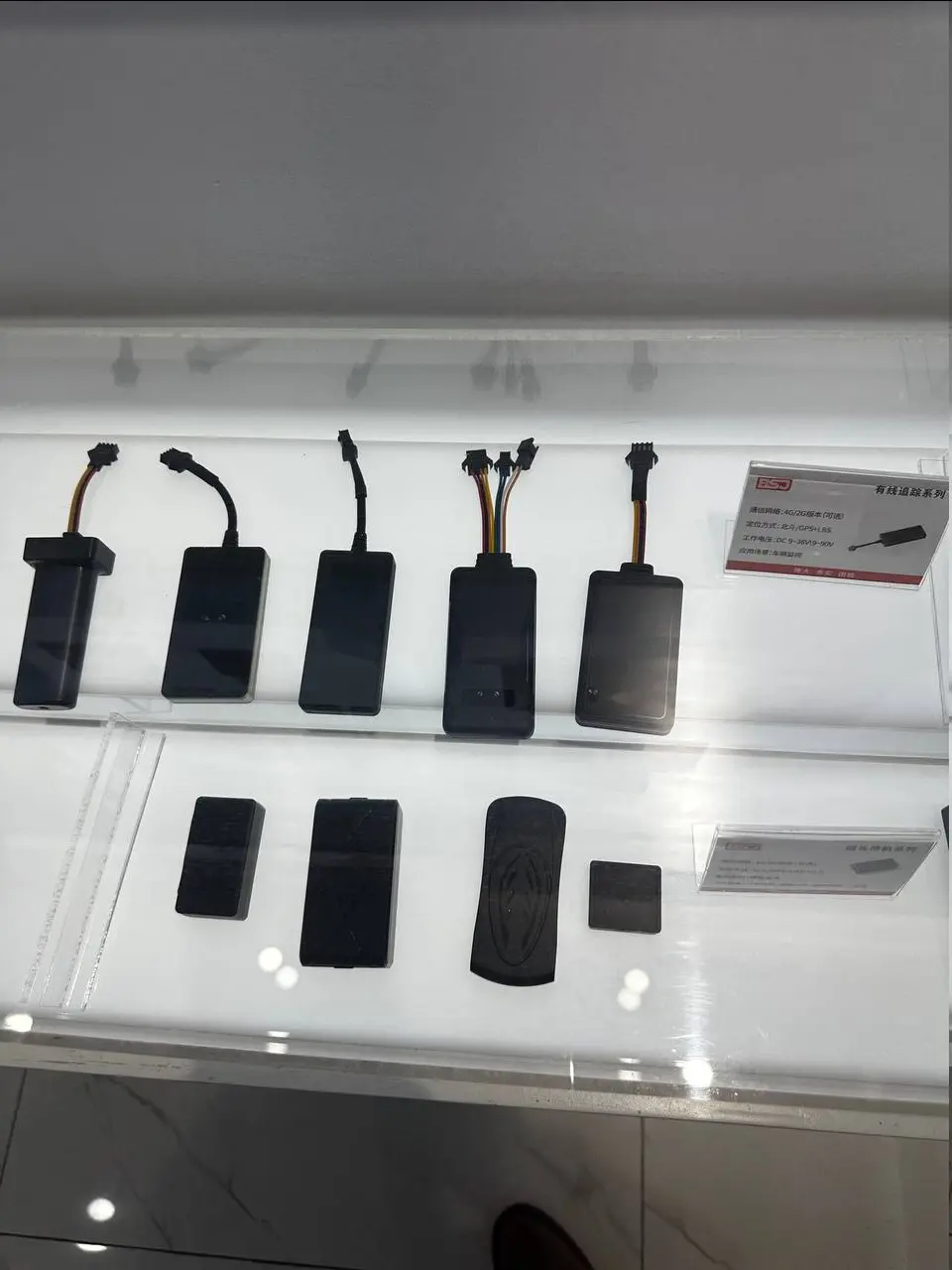
Market selection comes before mass outreach
Europe and South America contain very different regulatory environments, sales channels, technology ecosystems and purchasing processes. A long list of company names is not yet a market-entry strategy.
The target-account research therefore considers:
- Strategic fit: whether the company already sells, integrates or operates adjacent telematics solutions.
- Geographic relevance: whether the target can open a meaningful route into Italy, wider Europe or selected South American markets.
- Commercial role: potential customer, distributor, platform partner, systems integrator or technology collaborator.
- Decision access: the relevant business-development, product, hardware, procurement or executive contact—not simply a generic mailbox.
- Reason to approach: a specific hypothesis about where the Chinese company’s capabilities could add value.
This produces a smaller and more useful account plan. Each target should have a clear rationale, a contact path and a realistic next step.
From a contact list to a meeting strategy
Contact information alone creates little value if the first message is generic. For each priority account, the work includes deciding what to lead with, which supporting materials to share and what outcome to request.
A first approach should be short enough to read quickly and specific enough to show that the target was selected deliberately. It should not attempt to explain the entire catalogue. The purpose is to establish relevance and earn the next conversation.
Where a warm introduction or in-person meeting is possible, preparation becomes even more important. The company needs a concise agenda, a clear understanding of the target’s business, a small number of relevant capabilities to demonstrate and a defined follow-up plan. Arranging a meeting is valuable, but it is not the same as securing a customer; the quality of the discussion and follow-through determines whether the opportunity progresses.
Correct English is necessary, but effective market entry also requires sharper positioning, buyer-specific messages, disciplined target selection and consistent follow-up.
What the consulting engagement delivers
The work is structured around concrete commercial outputs rather than a general promise to “find overseas clients.” The current scope includes:
- A review of the company’s international presentation and sales materials.
- Recommendations to simplify the story, correct language issues and prioritize buyer-relevant information.
- A defined target-account list across selected European and South American markets.
- Named contact research and a practical outreach route for priority companies.
- Tailored introduction messages and guidance on how to present the opportunity.
- Support in arranging and preparing relevant commercial meetings.
- Follow-up structure so feedback from each conversation improves the next approach.
What this project demonstrates
Chinese companies going global do not always need a large overseas office or a broad marketing campaign as their first step. They need a focused way to test where their offer fits, how international buyers respond and which commercial relationships deserve further investment.
My role is to bridge the gap between the company’s capabilities in China and the expectations of potential partners abroad. That means challenging unclear messaging, identifying credible targets, opening appropriate conversations and helping both sides understand what a useful next step looks like.
Because the engagement is active, future outcomes will be reported only when they are confirmed and suitable for publication. The immediate measure of progress is not the number of messages sent; it is whether the company is having better-informed conversations with more relevant potential partners.
Is your Chinese company preparing to expand overseas?
Share your products, target markets and current sales materials. I can help assess your positioning, identify relevant companies and build a practical business-development approach for Europe or South America.